HOW OLDER ATHLETES REMAIN UNSTOPPABLE
Ulrich Preisinger • January 14, 2025
Aging is an inevitable aspect of life; however, it doesn't need signify the decline of athletic performance.
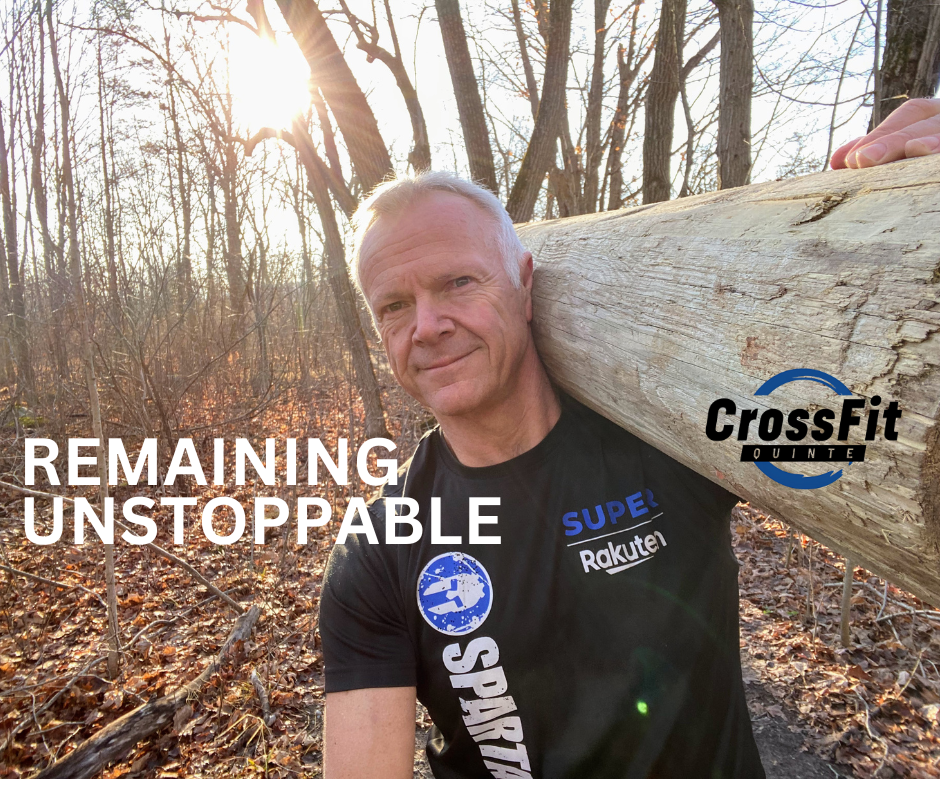
How Older Athletes Remain Unstoppable!
Aging is an inevitable aspect of life; however, it doesn't need signify the decline of athletic performance.
Aging leads to changes that impact athletic performance, particularly in endurance athletes. Key factors include declining VO₂ max, loss of muscle mass, and weight gain. Understanding these effects and applying strategies to counter them can help athletes maintain performance in later years.
Understanding VO₂ Max
VO₂ max, or maximal oxygen uptake, measures the body’s ability to deliver and utilize oxygen during intense exercise. It is a critical determinant of endurance performance, as oxygen is essential for energy production in aerobic activities.
The Effects of Aging on VO₂ Max
As we age, VO₂ max experiences a natural decline, influenced by physiological changes like reduced cardiac output, decreased lung function, and lower muscle mitochondrial efficiency. Studies suggest that after the age of 30, VO₂ max diminishes by roughly 5–10% every decade, with the rate of decline increasing after age 70. For endurance athletes, this translates to a reduced capacity for sustaining high-intensity efforts and overall endurance.
Mitigation Strategies for Declining VO₂ Max
The positive aspect is that consistent training can slow the reduction in VO₂ max. Research indicates that older athletes who participate in high-intensity interval training (HIIT) such as CrossFit can sustain higher VO₂ max levels than their sedentary counterparts.
Incorporate Interval Training: Introducing bursts of intense effort followed by recovery periods can enhance cardiac output and oxygen usage.
Consistent Endurance Training: Engaging in regular, long-duration, moderate-intensity activities such as cycling, swimming, or running can help maintain cardiovascular health and VO₂ max levels.
Strength Training for Cardiac Health: Resistance training promotes overall circulation and indirectly enhances cardiovascular efficiency, positively impacting VO₂ max.
Muscle Mass Loss (Sarcopenia)
Gaining Insight into Sarcopenia
Sarcopenia is the gradual decline in muscle mass and strength due to aging, typically starting in the 30s and intensifying with each decade. By the age of 80, individuals may experience a loss of up to 30% of their muscle mass.
The Effects on Performance
For athletes, diminished muscle mass results in decreased strength, endurance, and power output. This loss also affects recovery times and heightens the risk of injuries, making it challenging to sustain regular training schedules. Additionally, a compromised musculoskeletal system can disrupt biomechanics, leading to less efficient movements and a higher energy expenditure during physical activities.
Mitigation Strategies for Muscle Loss
Resistance training serves as the foundation for combating sarcopenia. Research indicates that older adults who regularly participate in strength training can maintain muscle mass and even regain lost strength.
Incorporate Strength Training: Aim for 2–3 sessions each week, emphasizing compound movements like squats, deadlifts, and bench presses, and some basic gymnastics body weight movements which engage multiple muscle groups.
Prioritize Protein Intake: Consuming sufficient dietary protein (1.2–1.6 grams per kilogram of body weight per day) is crucial for muscle repair and growth. Include protein-rich foods, such as lean meats, dairy, legumes, and plant-based options, to support muscle health.
Use Progressive Overload: Gradually increasing the weight or resistance during exercises promotes ongoing muscle adaptation and growth.
Weight Gain
The Relationship Between Aging and Weight Gain
As we age, our metabolism tends to slow down, making it harder to maintain a healthy weight. Factors such as hormonal changes, decreased physical activity, and shifts in diet typically contribute to an increase in fat mass. This extra weight—particularly when it's fat instead of muscle—can greatly affect performance for athletes.
The Influence of Weight Gain on Performance
Weight gain impacts endurance performance in several significant ways:
Decrease in VO₂ Max: VO₂ max is typically measured in relation to body weight (mL/kg/min). Even if absolute VO₂ max stays the same, gaining weight can lower relative VO₂ max, which diminishes aerobic capacity.
Reduced Efficiency: Carrying excess weight raises the energy expenditure for movement, resulting in quicker fatigue.
Increased Injury Risk: Added weight puts extra strain on joints, raising the chances of overuse injuries.
Mitigation Strategies for Weight Management
To effectively manage weight, it is essential to maintain an active lifestyle alongside a balanced diet.
Monitor Caloric Intake: Aligning your calorie consumption with your activity levels can help prevent unwanted weight gain. Utilizing tracking apps or seeking advice from a dietitian can support you in achieving the right energy balance.
Focus on Nutrient-Dense Foods: Prioritize whole, unprocessed foods, such as fruits, vegetables, lean proteins, and whole grains, to promote a healthy weight while providing the necessary fuel for optimal performance.
Combine Aerobic and Strength Training: Incorporating resistance training builds muscle, which boosts your resting metabolic rate, while aerobic exercise aids in burning calories and managing fat effectively.
A Comprehensive Strategy
Although factors like VO₂ max decline, muscle loss, and weight gain can each affect performance individually, they often interact to intensify the effects of aging. For instance, weight gain can worsen the decline in VO₂ max, while muscle loss can hinder the ability to engage in activities necessary for effective weight management.
To tackle these challenges, older athletes should embrace a holistic strategy that incorporates cardiovascular workouts and resistance training which are incorporated in CrossFit, and proper nutrition. Additionally, ensuring adequate recovery, hydration, and sleep is essential for enhancing overall performance and longevity.
Aging is an inevitable aspect of life, but it doesn’t signify the end of athletic capability. By recognizing the crucial elements that influence endurance—such as VO₂ max decline, muscle loss, and weight gain—and proactively addressing them, older athletes can continue to thrive in their sports. Consistent training, thoughtful nutrition, and a dedication to lifelong fitness are key to maintaining performance and reaping the physical and mental rewards of staying active as they age.
Inspiration Provided by: Rick Preisinger owner of CrossFit Quinte
99 Dufferin Ave Trenton ON Canada
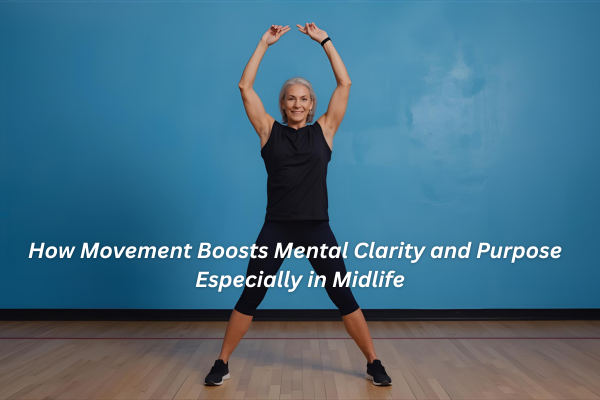
Midlife is not a decline. It’s a transition — a powerful moment where your body, mind, and identity invite you to evolve. But for many people, this transition feels foggy. Energy drops. Motivation dips. The mind feels cluttered. Purpose gets blurry. It’s easy to believe you’re “slowing down.” The truth? You’re not slowing down — you’re under-activated. And the most potent way to reignite your clarity and purpose is through movement. At CrossFit Quinte and Midlife Momentum, we see this every single day: when people move with intention, their mind sharpens, their energy lifts, and their sense of direction returns. Movement becomes a gateway to feeling alive again. Here’s why. 1. Movement Clears Mental Clutter When you move, you literally change your brain chemistry. Your blood flow increases, oxygen rises, and your brain gets fed the exact nutrients it needs to function at peak performance. This powers up your executive functioning — the part of your brain responsible for focus, decision-making, and emotional regulation. Ever notice how a workout suddenly gives you solutions to problems you’ve been stuck on for days? That’s mental clarity activated through movement. Even a 10-minute warm-up can: Reduce overwhelm Increase focus Calm racing thoughts Improve memory Sharpen creativity This isn’t fitness — this is mental hygiene. 2. Movement Switches You Out of “Survival Mode” Many midlife adults spend years living in low-grade stress. Your nervous system gets stuck in a constant “on” position. This drains you mentally and emotionally. When you train — especially functional training like CrossFit — your nervous system resets. It releases tension, stabilizes mood, and switches you into a state of coherence where your brain and body work together like a well-tuned machine. This is why our members often say: “I feel more like myself again.” Movement brings you back to your natural baseline — calm, strong, grounded. 3. Movement Reconnects You to Your Purpose Purpose isn’t found in thinking — it’s found in being. When you move, you reconnect with your inner fire: You overcome resistance. You feel stronger than your doubts. You prove to yourself that change is possible at any age. This builds a psychological identity shift: “If I can push through this workout, I can push through anything.” And that identity is the gateway to purpose. At Midlife Momentum, we blend physical training with coaching because purpose rises when your body and mind work as one. When you move with intention, you remember who you truly are. 4. Movement Creates Community and Connection Humans are not meant to go through midlife alone — and movement is one of the fastest ways to build meaningful connections. CrossFit creates community through shared effort. Midlife Momentum creates connection through shared growth. People who train together: Support each other Encourage each other Celebrate wins together Build friendships that fuel motivation This connection alone improves mental clarity and emotional well-being. It’s easier to find your purpose when you’re surrounded by people who lift you up. 5. Movement Strengthens Your Future Self Every time you train, you are casting a vote for the person you want to become — fit, confident, calm, and purposeful. Midlife isn’t a time to shrink. It’s a time to expand. Movement gives you: Stronger muscles Stronger heart Stronger metabolism Stronger confidence Stronger mindset And from that strength emerges something priceless: a renewed sense of purpose. Final Thought: Movement Is Medicine, and Midlife Is Your Moment You may not control aging — but you absolutely control how you age. If you want more mental clarity, more energy, and more purpose, start with your body. Start with movement. At CrossFit Quinte and Midlife Momentum, we help midlife adults feel alive again through intelligent training, real coaching, and a community that believes in growth at every age. If you're ready to move better, think clearer, and live with greater purpose… This is your sign. Your next chapter starts with your next workout.

Morning Routines That Set You Up for Success How You Start Your Day Shapes Everything That Follows At CrossFit Quinte, we talk a lot about consistency, discipline, and showing up with intention. But the truth is this: your success for the day starts long before you walk through the gym doors. It begins the moment you open your eyes. A dialed-in morning routine doesn’t just help you feel productive—it shapes your mindset, your energy, and your ability to take control of your life. Whether your goals are fat loss, strength, performance, or simply feeling better, your mornings are the launchpad. Below is a simple, powerful framework you can use—built on what the world’s top performers do and what we see in our own CFQ community. 1. Wake Up With Purpose, Not Panic Most people start their day rushed and reactive—checking their phone, scrolling notifications, and immediately feeling behind. Not you. Aim to wake up just 15–20 minutes earlier than usual. This single change gives you space to breathe, think, and set the tone. You’re choosing to begin your day in control, not in chaos. Tip: Keep your phone on airplane mode and don’t open apps until your routine is complete. 2. Hydrate and Move Your body wakes up dehydrated. Before coffee, reach for water—add a pinch of sea salt and lemon for electrolytes. Then move. Not a workout yet—just movement: 2–3 minutes of joint mobility Light stretching A short walk A few air squats or inchworms This wakes up your nervous system, increases circulation, and primes your joints for the day. Think of it as “opening the engine” before you hit the gas later in your workout. 3. Breathe Before the World Begins Breathing practices help you shift from stress to clarity. Try one of these for 3–5 minutes: Box breathing (4-4-4-4) Slow nasal breathing Coherence breathing (5–6 seconds in, 5–6 seconds out) This grounds your mind so you can step into the day calm, focused, and energized—not scattered. 4. Set Your Daily Intention One of the most powerful habits you can build is choosing your focus before the world chooses it for you. Answer these three questions: What is my main priority today? How do I want to show up? What is one small action that moves me closer to my goals? This takes less than a minute—but it gives you direction and purpose. 5. Nourish Your Body Early Whether you eat immediately or after your workout, your breakfast should do one thing: support your energy and performance. Aim for: Protein Healthy fats Complex carbs Hydration Examples: Oatmeal with berries and chia. Eggs and Greek yogurt. A protein shake blended with nut butter and seeds. Fueling early stabilizes your energy and reduces cravings later in the day. 6. Move Your Body—Preferably Hard A morning workout—whether at CFQ or a trail run—activates your metabolism, sharpens your mind, and gives you a massive dopamine and confidence boost. You walk into the rest of your day knowing you’ve already done something hard. You’ve already won. If mornings don’t work, train whenever you can—but in our experience, morning athletes are the most consistent athletes. 7. Protect Your Mindset A successful day isn’t just about what you do. It’s about what you avoid. Try this simple rule: No news, no social media, no negativity for the first hour of your day. Fill your mind with gratitude, goals, or something uplifting—not distraction or stress. Final Thoughts: Build a Routine That Aligns With Your Goals A great morning routine doesn’t have to be complicated. It just needs to be consistent and intentional. Start with 10–15 minutes. Build slowly. And remember—you’re not trying to be perfect. You’re building a lifestyle that supports the strongest, fittest, happiest version of you. At CrossFit Quinte, we believe in training the body and the mind. Your morning routine is where both begin.

Hydration and Nutrition: The Overlooked Keys to Energy and Performance Most people think energy comes from willpower or motivation. Some even think it comes from pushing harder, drinking more coffee, or trying to “tough it out.” But the truth is simpler — and far more powerful: Your energy comes from how you fuel and hydrate your body. After 50, hydration and nutrition aren’t optional parts of health. They’re the engine behind your strength, your recovery, your mobility, and your performance — inside and outside the gym. These two habits either elevate you… or quietly drain you, one day at a time. Water: The Most Underestimated Performance Enhancer Your muscles, joints, organs, brain, and nervous system all rely on water to function. Yet most adults walk around mildly dehydrated — feeling tired, foggy, and stiff without realizing why. When you’re not hydrated, you may notice: Lower energy Slower recovery Brain fog Joint stiffness Poor balance Increased cravings Sluggish digestion This isn’t aging — it’s dehydration. And when you add movement, strength training, or heat? Hydration becomes even more important. A well-hydrated body moves better, thinks clearer, and performs stronger. Nutrition: Fuel for Strength, Hormones, and Longevity Most people eat for convenience, not performance. After 50, your body becomes more sensitive to the quality of your fuel — especially when it comes to protein, whole foods, and consistent eating habits. Strong nutrition supports: Lean muscle Balanced hormones Stable energy Better sleep Healthy metabolism Lower inflammation Sharper mental clarity When you eat clean, natural, high-quality foods, your body thanks you with energy and strength. Protein becomes especially essential — not for “building size,” but for maintaining muscle mass, mobility, and independence as we age. Whole foods build strong bodies. Processed foods drain them. Small Nutritional Wins That Create Big Results You don’t need a complex diet to feel better. You just need consistency: 1️⃣ Prioritize protein every meal Eggs, meat, fish, Greek yogurt, whey protein. 2️⃣ Drink water before you’re thirsty Aim for steady hydration through the day. 3️⃣ Choose real food most of the time Fruits, vegetables, lean meats, quality fats. 4️⃣ Reduce ultra-processed foods Your joints, brain, and energy will thank you. 5️⃣ Fuel your workouts Especially after 50 — the right fuel = better performance. Small improvements compound — and your body feels every benefit. Energy Isn’t Random — It’s Built When your hydration and nutrition align with your training, everything changes: You move easier. You think clearer. You recover faster. You train better. You feel younger. You live more fully. It’s not magic. It’s nourishment. Fuel Your Second Summit At CrossFit Quinte’s Midlife Momentum, we teach members that strength isn’t just built in the gym — it’s built in the kitchen, in your water bottle, and in the daily choices you make. You’re not just training your body. You’re feeding your vitality, performance, and longevity. 👉 Join Midlife Momentum Train smart. Fuel well. Live strong. 📞 Call/Text 613-243-2209 Because strength begins with movement — but it thrives with proper fuel.