Common Pre-Workout Mistakes Everyone Makes
Ulrich Preisinger • January 31, 2025
Common Pre-Workout Mistakes Everyone Makes

Common Pre-Workout Mistakes Everyone Makes
Many fitness enthusiasts, whether beginners or experienced athletes, often make common pre-workout mistakes without realizing it, which can impede their performance and hinder their progress.
The Big Picture:
Hydration: Proper hydration before exercising is crucial; failing to drink enough can result in reduced endurance and poor performance. It is advisable to consume approximately 500 to 600 milliliters of water two hours before your workout, along with an extra 200 to 300 milliliters 10 to 20 minutes beforehand.
Ignoring Body Signals: Ignoring signs of fatigue or minor discomfort while exercising can heighten the risk of injury and burnout. It's vital to recognize when to take a break or adjust your workout for sustained success.
Skipping the Warm-Up: Jumping straight into intense workouts without a proper warm-up can lead to injuries. Engaging in dynamic stretches or light cardio helps prepare your muscles and joints for the workout ahead.
Neglecting Nutrition: Exercising on an empty stomach or consuming inappropriate pre-workout foods can lead to diminished energy levels.
Unlike common belief, it’s not necessary to avoid water during a vigorous workout. Sip water throughout your session to maintain optimal hydration and avoid the adverse effects of dehydration, such as reduced endurance, diminished physical performance, and inadequate recovery afterward.
A Word of Caution Regarding Pre-Workout Supplements
Relying solely on pre-workout drinks can be a significant disservice to yourself.
Many commercially available pre-workout drinks, particularly those with stimulants, are loaded with caffeine — a natural diuretic. This can result in increased water loss from your body through urine or excessive sweating, raising the risk of dehydration during intense workouts.
But that's not all. Overindulging in pre-workout drinks can lead to a variety of side effects. For example, many supplements contain beta-alanine, which may cause an uncontrollable itching sensation for some individuals.
Other common side effects include jitters, energy crashes, and digestive discomfort.
While these costly energy drinks may temporarily mask underlying fatigue, relying on them too heavily can result in long-term nutritional deficiencies.
How To Ensure Optimal Hydration and Nutrient Consumption Before a Workout
Consistent thirst, dark yellow urine, headache or dizziness, and muscle cramps are some of the most common symptoms of dehydration.
Make it a priority to consume 16 to 24 ounces of water for every pound of body weight lost during exercise to help replenish lost fluids. In total, aim to drink at least a gallon of water each day to prevent dehydration.
I completely understand that drinking around four liters of water daily can seem daunting. To make it more enjoyable, consider adding slices of lemon, cucumber, berries, or a zero-sugar electrolyte powder to your water.
While there's nothing wrong with using a pre-workout supplement, it's essential to choose your product carefully. Take the time to learn how to read supplement labels.
Recognizing Your Body’s Signals
Regardless of who you are or how passionate you are about training, there will be days when you feel out of sorts and tempted to skip a workout.
This might stem from a poor night's sleep or perhaps you're dealing with a lingering discomfort. Although the ‘no pain, no gain’ mindset may garner some attention on social media, disregarding your body’s signals can lead to serious consequences.
Feelings of low motivation, energy, and focus, particularly before a workout, are your body’s indicators that it needs additional recovery time.
Ignoring pain and fatigue while striving to exceed your limits in every session can result in injuries or burnout. Furthermore, this approach can impair your performance, weaken your immune system, and lead to overtraining.
Warning Signs
It's crucial to learn how to listen to your body and distinguish between beneficial discomfort and harmful pain. Delayed onset muscle soreness (DOMS) following an intense workout can be a positive sign, but if you struggle to recover after three to four days, it may indicate that your immune system has been compromised.
Keep an eye on warning signs such as an elevated resting heart rate, trouble sleeping, increased irritability, and ongoing fatigue. Regularly assessing these factors can help you prevent burnout and injuries.
Skipping the Warm-up & Static Stretching Beforehand
Starting your workout without a proper warm-up is one of the quickest paths to injury—unless that's your goal.
A well-structured warm-up routine that includes dynamic stretches such as leg swings and arm circles can effectively warm up your muscles, joints, and connective tissues. This enhances blood flow to the targeted muscles and improves overall performance.
If stretching isn’t your preference, you can opt for a brief full-body cardio exercise or do a light set of a few movements in your workout to get your body ready.
At this point, it's worth mentioning that static stretches should be avoided before exercising.
Static stretching involves holding a position for a prolonged period. Research indicates that these stretches can diminish performance and heighten the risk of injury.
Why is this the case, you may wonder?
When your muscles are cold, they lack flexibility and are more susceptible to injury if subjected to excessive tension. Additionally, this can significantly compromise their stability.
Don't Overlook Static Stretches
That said, static stretches are vital during the recovery phase as they can enhance flexibility, alleviate muscle soreness, and encourage relaxation. Some of my preferred static stretches include quad and hamstring stretches, yoga holds, and the Samson stretch. As a rule of thumb, I do dynamic stretches before a workout and static stretches after a workout or at the end of the day.
Neglecting to Fuel Up
In my experience, many individuals tend to avoid eating two to three hours before a workout, fearing potential discomfort during the session. This can be a significant mistake, as it may result in low energy levels, subpar performance, and muscle breakdown. While intermittent fasting and fasted workouts can be beneficial for some, they are not suitable for everyone.
Exercising on an empty stomach can hinder performance due to insufficient energy and may lead to muscle breakdown as the body shifts into a catabolic state. Glycogen, derived from carbohydrates, serves as the primary energy source for your body. Without proper fueling before a workout, and when glycogen reserves are depleted, the body resorts to breaking down muscle tissue to generate energy for sustained effort.
Additionally, low energy levels from an inadequate diet can result in mental fog during exercise. Fluctuating blood sugar levels can negatively affect focus and concentration, ultimately impacting overall workout performance.
Food Hacks for Peak Performance:
To optimize your energy reserves, consume a nutrient-rich whole-food meal two to three hours before your training session. This timing allows your body sufficient time to digest the food, helping to avoid bloating during your workout.
If you can't manage a meal that far ahead, especially for early morning training, aim for a light snack 30 to 60 minutes prior to exercising.
Your pre-workout meal should feature a balanced combination of:
Carbohydrates: Consider options like oatmeal, sweet potatoes, and fruits. Focus on complex carbohydrates to ensure a steady energy flow throughout the day.
Protein: Include foods such as chicken breast, Greek yogurt, eggs, or protein powder, as they are essential for muscle repair and growth, helping to prevent muscle breakdown during workouts.
Healthy fats: Add avocados, nuts, and seeds to support hormone production and provide sustained energy release.
Conclusion:
Common pre-workout mistakes include neglecting a proper diet, failing to drink enough water, skipping a warm-up routine, exercising without a plan, and ignoring your body’s signals.
Evaluate your current routine and begin making gradual changes to give your body the time it needs to adapt. The initial phase may be uncomfortable, but the results will be well worth the effort. I assure you.
Inspiration provided by: Coach Rick CrossFit Quinte
99 Dufferin Ave Trenton ON
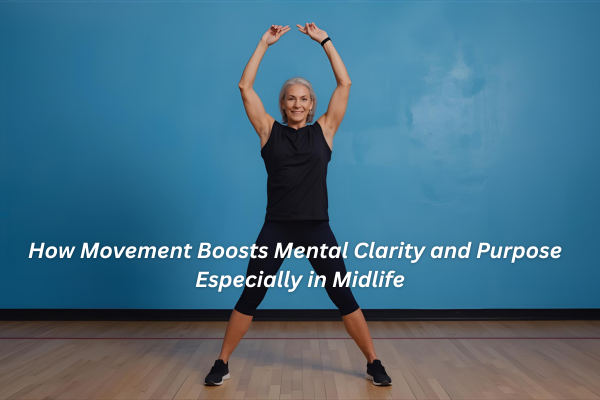
Midlife is not a decline. It’s a transition — a powerful moment where your body, mind, and identity invite you to evolve. But for many people, this transition feels foggy. Energy drops. Motivation dips. The mind feels cluttered. Purpose gets blurry. It’s easy to believe you’re “slowing down.” The truth? You’re not slowing down — you’re under-activated. And the most potent way to reignite your clarity and purpose is through movement. At CrossFit Quinte and Midlife Momentum, we see this every single day: when people move with intention, their mind sharpens, their energy lifts, and their sense of direction returns. Movement becomes a gateway to feeling alive again. Here’s why. 1. Movement Clears Mental Clutter When you move, you literally change your brain chemistry. Your blood flow increases, oxygen rises, and your brain gets fed the exact nutrients it needs to function at peak performance. This powers up your executive functioning — the part of your brain responsible for focus, decision-making, and emotional regulation. Ever notice how a workout suddenly gives you solutions to problems you’ve been stuck on for days? That’s mental clarity activated through movement. Even a 10-minute warm-up can: Reduce overwhelm Increase focus Calm racing thoughts Improve memory Sharpen creativity This isn’t fitness — this is mental hygiene. 2. Movement Switches You Out of “Survival Mode” Many midlife adults spend years living in low-grade stress. Your nervous system gets stuck in a constant “on” position. This drains you mentally and emotionally. When you train — especially functional training like CrossFit — your nervous system resets. It releases tension, stabilizes mood, and switches you into a state of coherence where your brain and body work together like a well-tuned machine. This is why our members often say: “I feel more like myself again.” Movement brings you back to your natural baseline — calm, strong, grounded. 3. Movement Reconnects You to Your Purpose Purpose isn’t found in thinking — it’s found in being. When you move, you reconnect with your inner fire: You overcome resistance. You feel stronger than your doubts. You prove to yourself that change is possible at any age. This builds a psychological identity shift: “If I can push through this workout, I can push through anything.” And that identity is the gateway to purpose. At Midlife Momentum, we blend physical training with coaching because purpose rises when your body and mind work as one. When you move with intention, you remember who you truly are. 4. Movement Creates Community and Connection Humans are not meant to go through midlife alone — and movement is one of the fastest ways to build meaningful connections. CrossFit creates community through shared effort. Midlife Momentum creates connection through shared growth. People who train together: Support each other Encourage each other Celebrate wins together Build friendships that fuel motivation This connection alone improves mental clarity and emotional well-being. It’s easier to find your purpose when you’re surrounded by people who lift you up. 5. Movement Strengthens Your Future Self Every time you train, you are casting a vote for the person you want to become — fit, confident, calm, and purposeful. Midlife isn’t a time to shrink. It’s a time to expand. Movement gives you: Stronger muscles Stronger heart Stronger metabolism Stronger confidence Stronger mindset And from that strength emerges something priceless: a renewed sense of purpose. Final Thought: Movement Is Medicine, and Midlife Is Your Moment You may not control aging — but you absolutely control how you age. If you want more mental clarity, more energy, and more purpose, start with your body. Start with movement. At CrossFit Quinte and Midlife Momentum, we help midlife adults feel alive again through intelligent training, real coaching, and a community that believes in growth at every age. If you're ready to move better, think clearer, and live with greater purpose… This is your sign. Your next chapter starts with your next workout.

Morning Routines That Set You Up for Success How You Start Your Day Shapes Everything That Follows At CrossFit Quinte, we talk a lot about consistency, discipline, and showing up with intention. But the truth is this: your success for the day starts long before you walk through the gym doors. It begins the moment you open your eyes. A dialed-in morning routine doesn’t just help you feel productive—it shapes your mindset, your energy, and your ability to take control of your life. Whether your goals are fat loss, strength, performance, or simply feeling better, your mornings are the launchpad. Below is a simple, powerful framework you can use—built on what the world’s top performers do and what we see in our own CFQ community. 1. Wake Up With Purpose, Not Panic Most people start their day rushed and reactive—checking their phone, scrolling notifications, and immediately feeling behind. Not you. Aim to wake up just 15–20 minutes earlier than usual. This single change gives you space to breathe, think, and set the tone. You’re choosing to begin your day in control, not in chaos. Tip: Keep your phone on airplane mode and don’t open apps until your routine is complete. 2. Hydrate and Move Your body wakes up dehydrated. Before coffee, reach for water—add a pinch of sea salt and lemon for electrolytes. Then move. Not a workout yet—just movement: 2–3 minutes of joint mobility Light stretching A short walk A few air squats or inchworms This wakes up your nervous system, increases circulation, and primes your joints for the day. Think of it as “opening the engine” before you hit the gas later in your workout. 3. Breathe Before the World Begins Breathing practices help you shift from stress to clarity. Try one of these for 3–5 minutes: Box breathing (4-4-4-4) Slow nasal breathing Coherence breathing (5–6 seconds in, 5–6 seconds out) This grounds your mind so you can step into the day calm, focused, and energized—not scattered. 4. Set Your Daily Intention One of the most powerful habits you can build is choosing your focus before the world chooses it for you. Answer these three questions: What is my main priority today? How do I want to show up? What is one small action that moves me closer to my goals? This takes less than a minute—but it gives you direction and purpose. 5. Nourish Your Body Early Whether you eat immediately or after your workout, your breakfast should do one thing: support your energy and performance. Aim for: Protein Healthy fats Complex carbs Hydration Examples: Oatmeal with berries and chia. Eggs and Greek yogurt. A protein shake blended with nut butter and seeds. Fueling early stabilizes your energy and reduces cravings later in the day. 6. Move Your Body—Preferably Hard A morning workout—whether at CFQ or a trail run—activates your metabolism, sharpens your mind, and gives you a massive dopamine and confidence boost. You walk into the rest of your day knowing you’ve already done something hard. You’ve already won. If mornings don’t work, train whenever you can—but in our experience, morning athletes are the most consistent athletes. 7. Protect Your Mindset A successful day isn’t just about what you do. It’s about what you avoid. Try this simple rule: No news, no social media, no negativity for the first hour of your day. Fill your mind with gratitude, goals, or something uplifting—not distraction or stress. Final Thoughts: Build a Routine That Aligns With Your Goals A great morning routine doesn’t have to be complicated. It just needs to be consistent and intentional. Start with 10–15 minutes. Build slowly. And remember—you’re not trying to be perfect. You’re building a lifestyle that supports the strongest, fittest, happiest version of you. At CrossFit Quinte, we believe in training the body and the mind. Your morning routine is where both begin.

Hydration and Nutrition: The Overlooked Keys to Energy and Performance Most people think energy comes from willpower or motivation. Some even think it comes from pushing harder, drinking more coffee, or trying to “tough it out.” But the truth is simpler — and far more powerful: Your energy comes from how you fuel and hydrate your body. After 50, hydration and nutrition aren’t optional parts of health. They’re the engine behind your strength, your recovery, your mobility, and your performance — inside and outside the gym. These two habits either elevate you… or quietly drain you, one day at a time. Water: The Most Underestimated Performance Enhancer Your muscles, joints, organs, brain, and nervous system all rely on water to function. Yet most adults walk around mildly dehydrated — feeling tired, foggy, and stiff without realizing why. When you’re not hydrated, you may notice: Lower energy Slower recovery Brain fog Joint stiffness Poor balance Increased cravings Sluggish digestion This isn’t aging — it’s dehydration. And when you add movement, strength training, or heat? Hydration becomes even more important. A well-hydrated body moves better, thinks clearer, and performs stronger. Nutrition: Fuel for Strength, Hormones, and Longevity Most people eat for convenience, not performance. After 50, your body becomes more sensitive to the quality of your fuel — especially when it comes to protein, whole foods, and consistent eating habits. Strong nutrition supports: Lean muscle Balanced hormones Stable energy Better sleep Healthy metabolism Lower inflammation Sharper mental clarity When you eat clean, natural, high-quality foods, your body thanks you with energy and strength. Protein becomes especially essential — not for “building size,” but for maintaining muscle mass, mobility, and independence as we age. Whole foods build strong bodies. Processed foods drain them. Small Nutritional Wins That Create Big Results You don’t need a complex diet to feel better. You just need consistency: 1️⃣ Prioritize protein every meal Eggs, meat, fish, Greek yogurt, whey protein. 2️⃣ Drink water before you’re thirsty Aim for steady hydration through the day. 3️⃣ Choose real food most of the time Fruits, vegetables, lean meats, quality fats. 4️⃣ Reduce ultra-processed foods Your joints, brain, and energy will thank you. 5️⃣ Fuel your workouts Especially after 50 — the right fuel = better performance. Small improvements compound — and your body feels every benefit. Energy Isn’t Random — It’s Built When your hydration and nutrition align with your training, everything changes: You move easier. You think clearer. You recover faster. You train better. You feel younger. You live more fully. It’s not magic. It’s nourishment. Fuel Your Second Summit At CrossFit Quinte’s Midlife Momentum, we teach members that strength isn’t just built in the gym — it’s built in the kitchen, in your water bottle, and in the daily choices you make. You’re not just training your body. You’re feeding your vitality, performance, and longevity. 👉 Join Midlife Momentum Train smart. Fuel well. Live strong. 📞 Call/Text 613-243-2209 Because strength begins with movement — but it thrives with proper fuel.